
Modern TVs are thin, and so is their sound. A soundbar is the simplest way to get clearer dialogue and bigger sound without a complicated home theatre. Here is how to choose one for your room.
What do 2.0, 2.1 and 5.1 mean?
- 2.0: left and right speakers in one bar. Clearer dialogue than TV speakers, but limited bass.
- 2.1: adds a subwoofer (built in or separate) for deeper bass in movies and music.
- 5.1 and above: adds centre and surround speakers for a cinema-like experience. These cost more and need more space.
For most Indian bedrooms and small living rooms, 2.1 is the sweet spot.

If you mainly watch news and TV serials and want clearer voices on a tight budget, a 2.0 soundbar is enough:

Match the soundbar to your TV and room
| TV size | Soundbar width | Room |
|---|---|---|
| 32" | 60–80 cm | Bedroom |
| 43" – 50" | 80–100 cm | Small living room |
| 55"+ | 100 cm+ | Living room |
A soundbar that is roughly as wide as your TV looks and sounds balanced.
Connections to look for
- HDMI ARC / eARC: one cable carries sound, and your TV remote can control volume. This is the best option if your TV supports it.
- Optical: very common and reliable, though you may need the soundbar's own remote.
- Bluetooth: handy for music from your phone.
- AUX / USB: useful for older TVs and pen drives.
Features that actually help
- Dialogue or News mode: makes voices clearer.
- Movie mode: wider sound and more bass.
- Wall-mount kit: saves space when the TV is on the wall.
- Night mode: keeps explosions from waking the house.
Soundbar or bookshelf speakers?
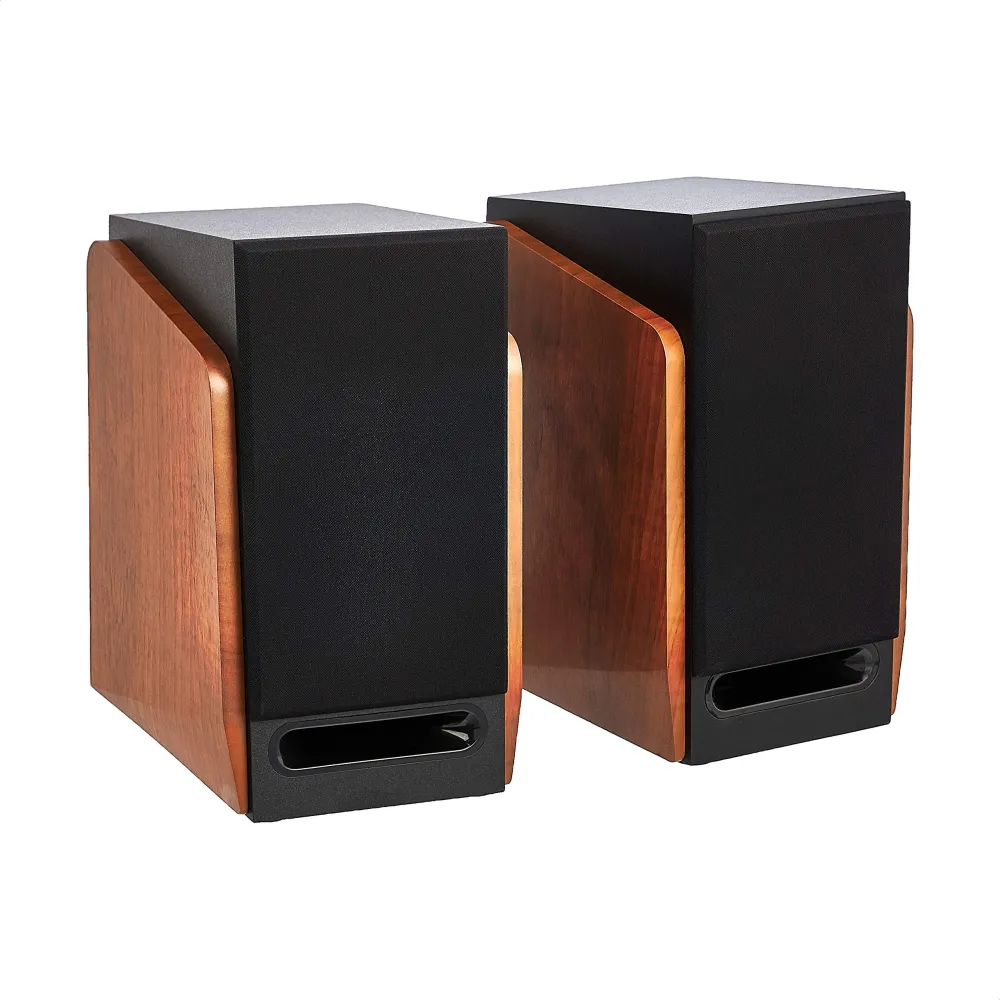
If you listen to a lot of music, a pair of powered bookshelf speakers can give better stereo separation than a soundbar. For TV-first homes, a soundbar is simpler and neater.
Final checklist
- Right width for your TV
- 2.1 if you want bass, 2.0 if you want clear dialogue on a budget
- HDMI ARC if your TV has it
- Remote and wall-mount kit included
Compare more options in Home Audio & Soundbars.