Headphones come in many shapes and prices, and the right pair depends on how and where you listen. This guide explains the main types and features in simple words so you can buy with confidence.
Step 1: Choose the type
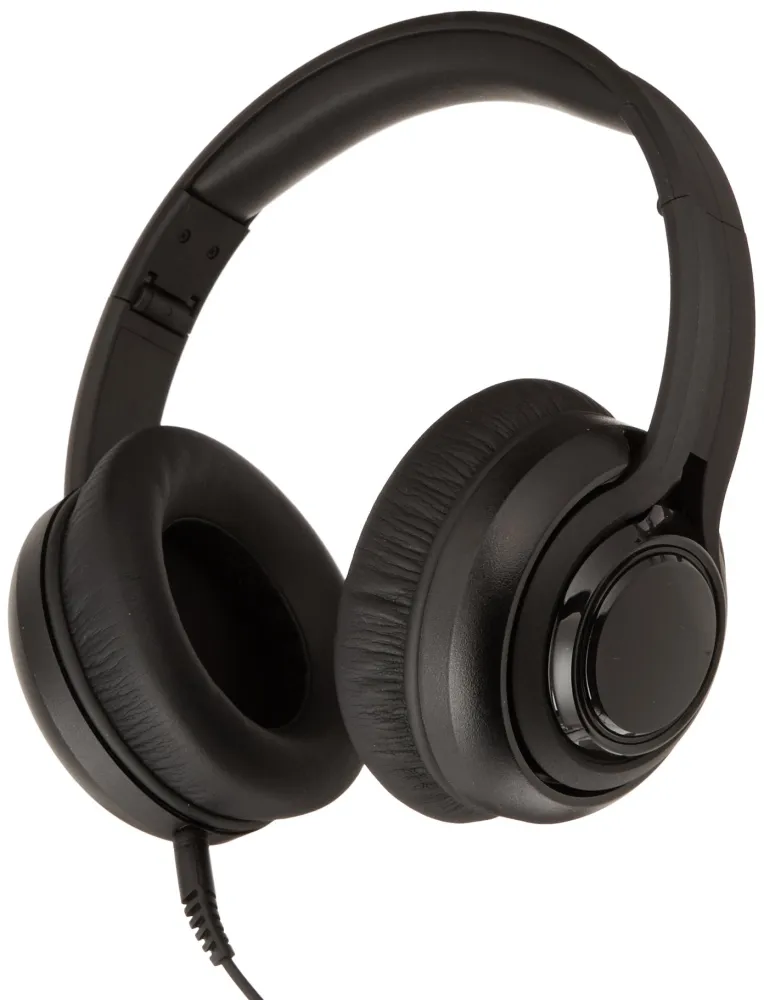
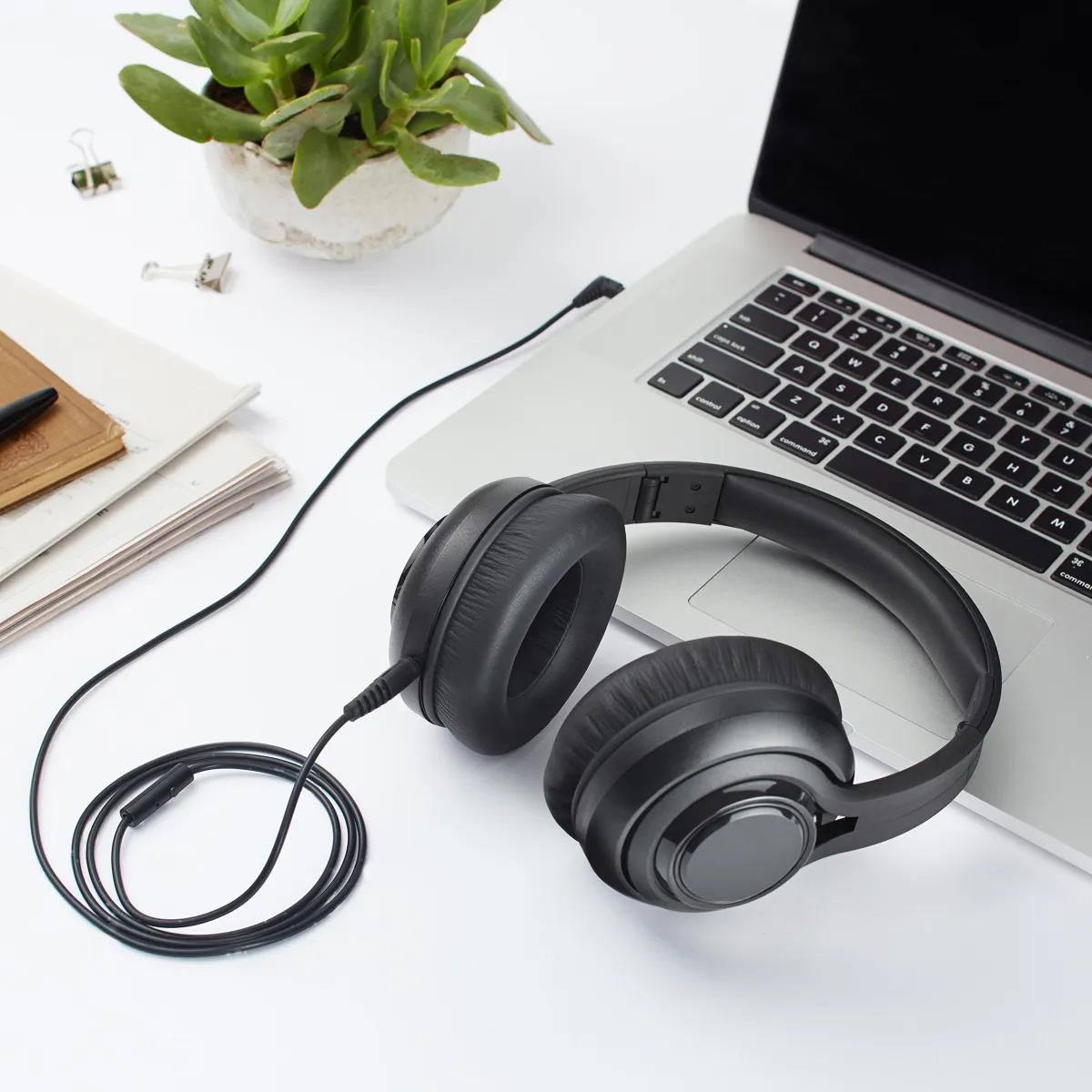
Over-ear headphones
The ear cups sit around your ears. They are the most comfortable for long sessions and block the most outside noise, which makes them great for home, office and studio use. The downside is size.
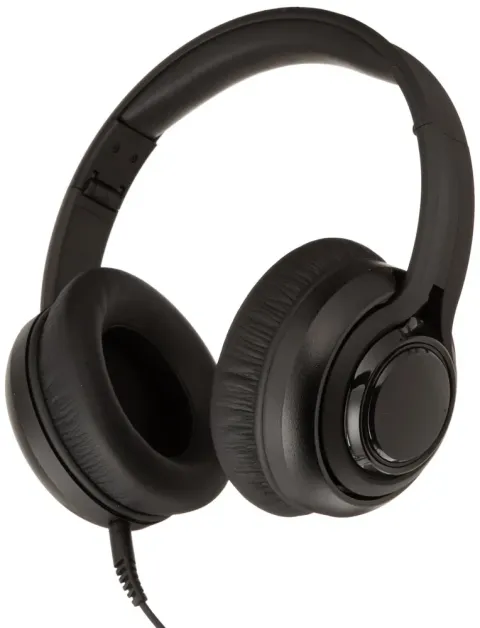
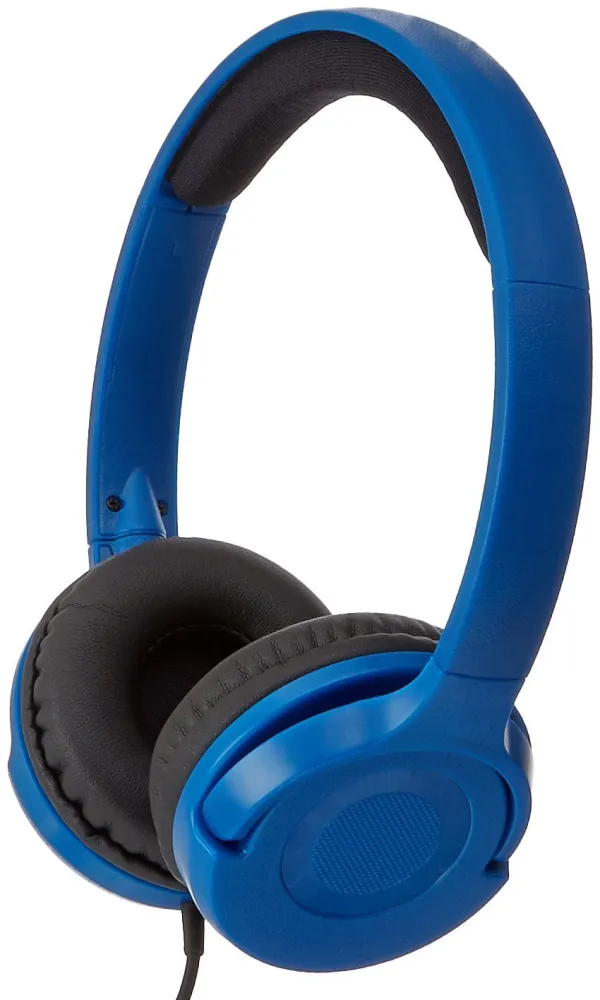
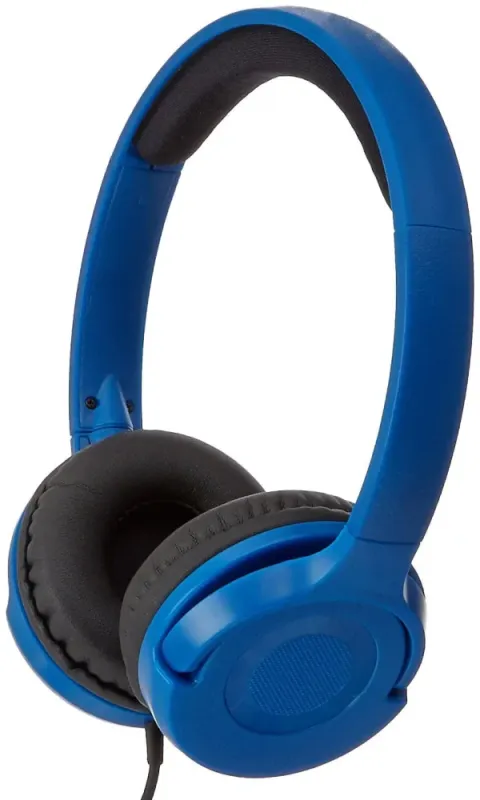
On-ear headphones
The pads rest on your ears. They are lighter and more compact than over-ear models but can press on your ears after a few hours.
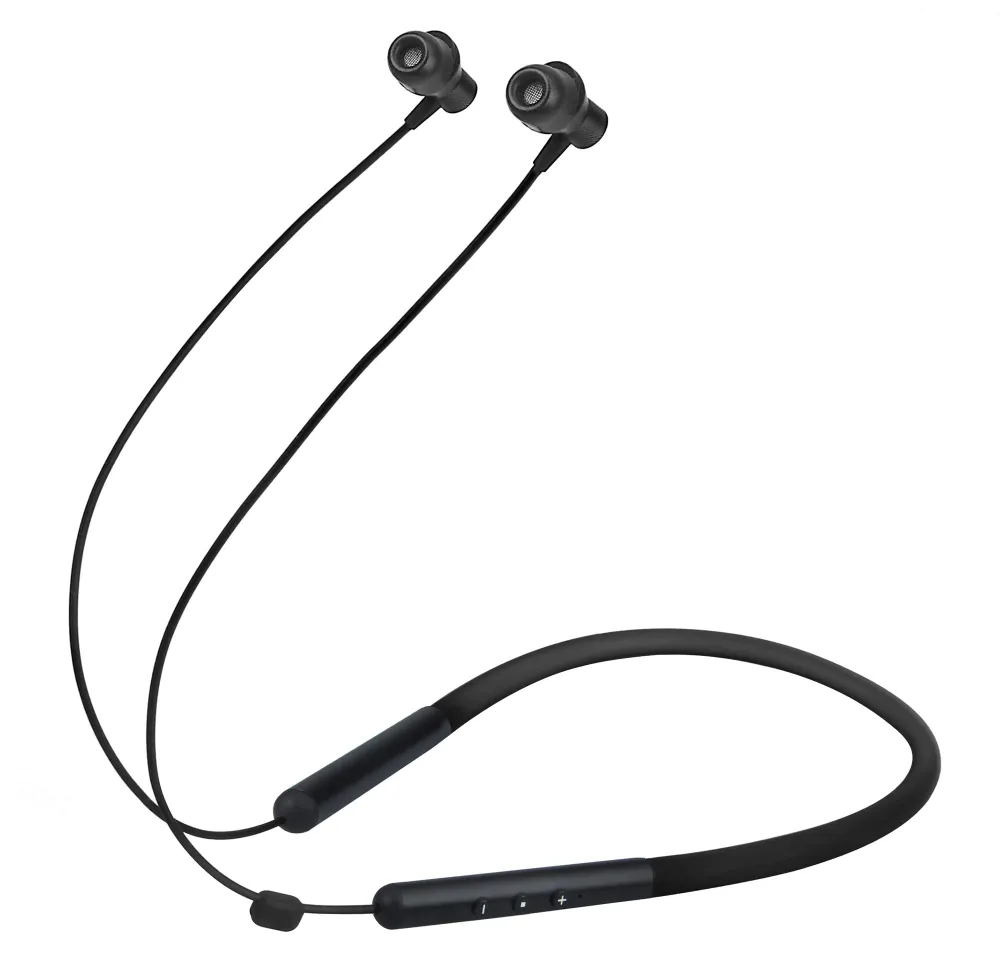
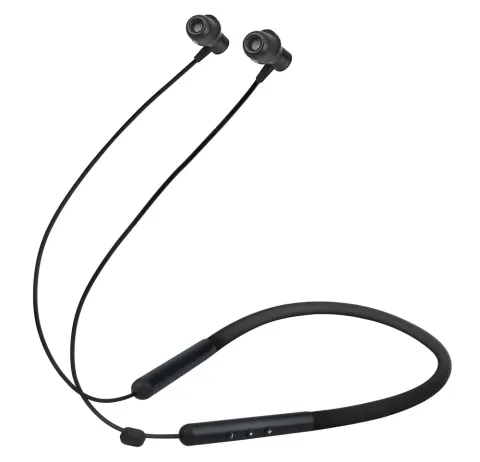
Neckband earphones
Very popular in India. Earbuds are attached to a band that rests around your neck, so you cannot drop or lose them. Battery life is usually longer than true wireless earbuds.
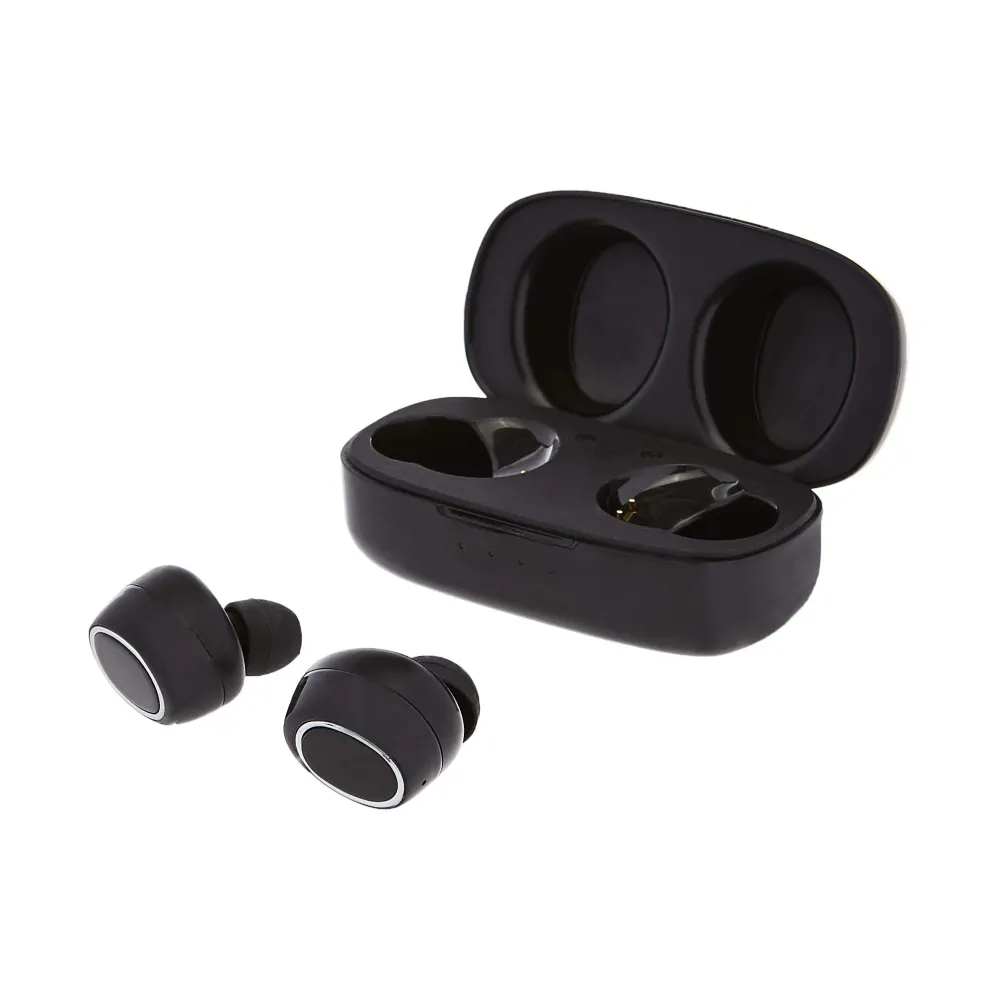
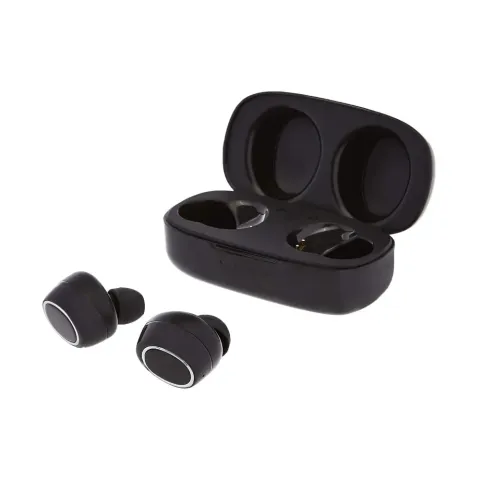
True wireless earbuds (TWS)
No wires at all. The earbuds charge inside a pocket-size case. They are the most portable choice, which makes them ideal for the gym and commuting.
Wired in-ear earphones
Still the cheapest way to get good sound, with no charging and no lag in games. Check that your phone has a 3.5 mm jack, or budget for an adapter.
Step 2: Understand the key specs
- Driver size: bigger drivers (40 mm and up) usually give fuller bass in over-ear headphones. For earbuds, tuning matters more than size.
- Frequency response: 20 Hz – 20 kHz covers the range of human hearing. Wider numbers are mostly marketing.
- Battery life: aim for 20+ hours for over-ear wireless models, 6+ hours per charge for earbuds and 8+ hours for neckbands.
- Bluetooth version: 5.0 or newer gives a more stable connection and better battery efficiency.
- Microphone: essential if you take calls or attend online classes.
- Noise cancellation (ANC): helpful on flights and in noisy offices, but it adds cost.
Step 3: Match headphones to your use
| Use | Best type |
|---|---|
| Gym and running | TWS or neckband with water resistance |
| Office calls | Over-ear or neckband with a good mic |
| Commuting | TWS with ANC |
| Music at home | Over-ear wired |
| Studio or DJ | Closed-back monitor headphones |
| Kids | Volume-limited on-ear |
Step 4: Set a sensible budget
- Under ₹1,000: wired earphones and basic neckbands
- ₹1,000 – ₹3,000: good neckbands, entry TWS, wired over-ear
- ₹3,000 – ₹10,000: TWS with ANC, wireless over-ear
- ₹10,000+: premium ANC headphones and audiophile gear
Final tips
- Comfort matters more than specs, so check weight and ear-cup size.
- Read the warranty terms and choose sellers with easy returns.
- Compare prices across stores before you buy.
See all our picks in Headphones & Earphones.